
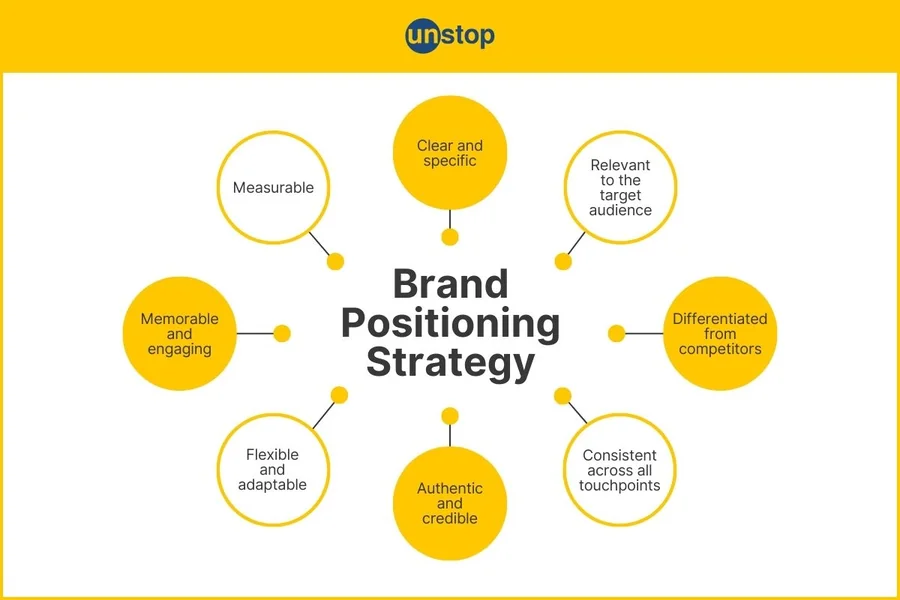
Brand Positioning Strategy Examples That Build Strong Brands
In the modern marketplace, it’s not enough for businesses to have quality products or services. They need a distinct identity that stands out, is familiar, and trusted by their customers. And this is where Brand Positioning Strategy Examples are very helpful in understanding how successful brands succeed.
Brand positioning is the way a company or brand is defined in the minds of consumers relative to its competitors. It helps them stand out and offers reasons for customers to prefer one brand over another. Through case studies, companies can understand how to establish a presence in the market and develop a lasting relationship with its customers.
Not all well-known companies have become so because of their products. Rather, they thought about how they wanted to be perceived by their customers. This process of creating a brand image is what makes a brand stand out.
Getting to Grips with Brand Positioning
Understanding brand positioning is better achieved by examining its application in the marketplace. All successful brands have a clear message.
For instance, some may emphasise cost, others luxury and others novelty. These positions are not random. These are strategic and based on customer, market and competitive factors.
A low budget brand offers value and affordability. A luxury brand, on the other hand, is branded with exclusivity and quality. They’re both successful, but they target different market opportunities.
By looking at case studies, brands understand that simple messages lead to higher brand awareness. The brand should be easily understood by the customer.
The objective is not to target everybody but instead to target a specific audience.
Successful brand positioning strategy examples
A classic example is Apple. It’s known for its high-end, innovative, and elegant products. Rather than price, Apple prioritises usability, convenience and integration. This approach enables it to enjoy high customer retention and high margins.
Another example is Nike. Nike is focused on inspiration, performance and winning. It inspires us to do our best, and is more than just a sportswear brand.
Another example is Coca-Cola. It is about being happy, sharing and connecting. It doesn’t advertise the product itself but rather the occasions and experiences.
These cases demonstrate that positioning is about more than just the products or services a business offers.
Every product establishes a special connection with customers, not just based on price or quality.
Positioning Lessons for Businesses
Learning from the best helps brands to build their own strategies. But it’s not about mimicking. Rather, it’s about understanding the principles.
First, it’s important to know the audience. Companies should understand what their customers are looking for, what they need and what drives them.
Next comes differentiation. A business needs to establish its unique selling proposition. It could be cost, quality, service or innovation.
Messaging is also important. The messaging should be consistent with the company’s values and reflect its personality.
Consistency is another key factor. Be it advertising, social channels or customer service, consistency should be key.
Through case studies, companies can observe how these strategies are effectively used in various sectors.
Mistakes to Avoid in Brand Positioning
While many brands realise the value of positioning, errors are still prevalent.
A common error is attempting to reach all consumers. If a brand attempts to appeal to a wide range of customers, its positioning will be diluted.
Another problem is a lack of consistency. When a brand frequently shifts its messages or tone, this may confuse customers.
Another common mistake is an emphasis on product features. Although product features matter, people might resonate with emotions and experiences.
Ignoring competitors is another mistake. This offers a chance to differentiate.
Finally, some brands don’t adapt. Markets evolve and positioning needs to evolve with it, while remaining true to the brand.
Steering clear of these errors assists companies in developing more impactful brands.
Brand Positioning Strategy Examples: Lessons Learned
Examples offer actionable insights for businesses.
For example, luxury brands often leverage rarity and scarcity to enhance value. This builds demand and enhances brand perception.
IT brands might emphasise innovation and utility. Their marketing emphasises the benefits of their products.
Consumer brands could focus on price and accessibility, and helping people access their products.
These approaches demonstrate there’s no one way to succeed. Each brand finds the path that suits them and their customers.
These strategies help companies to develop their own brand strategy.
Final Thought
Effective branding is clear, consistent and emotive. Analysing Brand Positioning Strategy Examples can help companies learn from the best practices of successful brands and how they stand out in crowded markets.
It’s not enough to be unique; you need to be relevant. By establishing a clear brand identity and personality, consumers can better recognise and trust a brand.
Positioning can help any business, big or small. It allows products to become brands and customers to become loyal.
Ultimately, good positioning is about getting into the customer’s mind and staying there.
FAQs
What are Brand Positioning Strategy Examples?
They are real-life cases of how companies define their identity and differentiate themselves in the market.
Why is brand positioning important?
It helps businesses stand out, build trust, and connect with the right audience effectively.
Can small businesses use brand positioning strategies?
Yes, small businesses can use positioning to create a strong identity and compete with larger brands.
What makes a strong brand position?
Clarity, consistency, and a clear understanding of the target audience make a strong brand position.
How do companies choose their positioning strategy?
They analyze their audience, competitors, and strengths to decide how they want to be perceived.
Is brand positioning permanent?
No, it can evolve over time as markets, customer needs, and business goals change.
