
How To Start Buying Stocks for Beginners Safely
How To Start Buying Stocks may seem like a daunting task, particularly if you are a new investor. The stock market is often considered confusing, but it is really not that hard for anyone to start if they are given the right advice and information.
Purchasing stocks means you are buying a share of a company. As the company succeeds, so can your investment. But it also carries risks, so it’s best to understand how to do it right before investing.
Some people jump right into investing without being ready. Instead, it’s important to have an understanding of the market, what you want to achieve and how much you’re willing to risk. This will make the experience of investing much easier and less risky.
The Basics of Stock Investing
The first step to investing is to understand what a stock is. A stock is a share of ownership in a company. Purchasing a share makes you a part owner or shareholder of the company.
Shares are issued by companies to fund their operations, expansion or growth. As a result, shareholders are rewarded if the business does well, either through price appreciation or dividends.
Share prices fluctuate due to various factors like supply and demand, company news and market sentiment. Therefore, stock prices can rise or fall.
Stock investing is not a get-rich-quick scheme. It’s a slow journey that requires patience, hard work and research. New investors who learn this early on are more likely to make sound investment choices and avoid rash moves.
Before You Invest, Set Your Financial Goals
The first step to learning how to invest is to set your financial goals. Without them, it’s hard to develop an investment strategy.
What are your reasons for investing? Do you want to retire, grow your wealth, or buy a house? This will affect your investment strategy.
You may need to invest more conservatively for short-term goals, but can invest more aggressively for long-term goals.
You will also need to determine how much you can invest. You shouldn’t invest money you need for living expenses or emergencies.
An investment budget allows you to be disciplined and reduce risk. It’s common for investors to begin with smaller amounts and build up over a period of time.
Choosing the Right Investment Platform
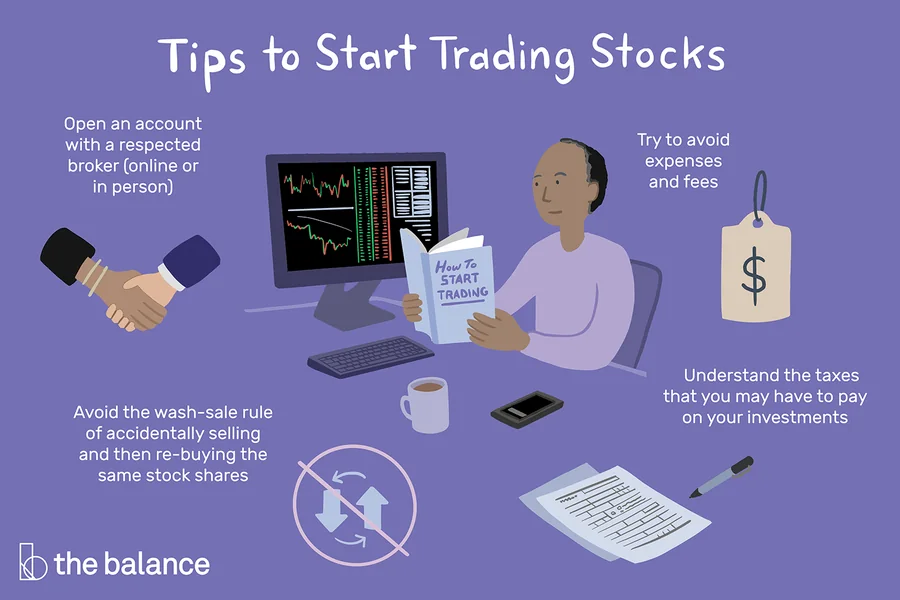
To invest in shares, you will need a brokerage account. This is an online service for buying and selling stocks.
When it comes to brokerage platforms, there are many apps and websites to choose from, with various features like low commissions, research resources, user-friendly platforms, and so on.
Look for a platform that is easy to navigate, has reasonable fees, offers good support and allows you to invest in the type of assets you want.
Some are best for beginners and provide educational materials, while others are more complex and aimed at advanced investors.
Shop around to find the best fit. The right platform makes it easier to invest and boosts confidence.
You will be able to fund your account and begin to explore stocks.
Step by Step Guide to Buying Stocks
Knowing how to do it makes it simpler. Here’s a basic guide.
First, set up a brokerage account. This will typically involve some basic personal information.
Then, fund your account. Many sites support bank transfers.
Next, do your homework. Research a company’s financials, its industry and growth prospects.
Next, decide how many shares you want to purchase. If you are new, you can start with a lower number.
And then submit your order. You can place various types of orders, such as market orders or limit orders, depending on your trading strategy.
This is the basic investing process. As time goes on, you will gain more experience and confidence.
What New Investors Should Watch Out For
Beginners often lose money not because investing is hard, but due to mistakes.
A common mistake is uneducated investing. Investing on “hot tips” can be dangerous.
Emotional investing is also a no-no. This can cause you to panic or get greedy and sell or buy at the wrong time.
A further mistake is to invest in only one stock. This is risky because you’re investing all your money in one company.
There’s a lack of long-term perspective. The stock market is volatile in the short term, but tends to increase in the long term.
Finally, many investors attempt to time the market. This can be hard even for seasoned investors. It’s better to do it regularly.
By avoiding these pitfalls you will increase your likelihood of success.
Gaining Confidence as an Investor
Investing confidence takes time to develop. It is learned, earned and gained.
Begin with small investments. This will help you learn without risking too much.
Monitor your investments and watch the market. After a while you will start to see patterns.
Continuous learning is another key factor. This includes staying up-to-date with the news and understanding the fundamentals.
It’s important to remain levelheaded during market changes. Markets will go up and down, but long-term investors are more concerned with long-term growth.
This will help you gain more experience and become a better investor.
Final Thought
How To Start Buying Stocks is a valuable skill to acquire. It may appear complex, but once you get the hang of it and approach it in a systematic way, it is easy.
Investing is not a game of chance or market timing. It’s about consistency, patience and well-informed decision making.
Through goal setting, using the right investment platform, avoiding pitfalls and consistency, anyone can start investing today.
The trick is to begin with small steps, stay well informed, and be patient. With time, small steps will add up and you will build a strong financial foundation.
FAQs
How To Start Buying Stocks as a beginner?
You can start by opening a brokerage account, depositing money, researching stocks, and placing your first order.
How much money do I need to start investing in stocks?
You can start with a small amount, depending on your budget and the brokerage platform you choose.
Is stock investing risky for beginners?
Yes, it carries risk, but proper research and long-term planning can reduce potential losses.
Can I buy stocks without experience?
Yes, beginners can start investing, but learning the basics first is highly recommended.
How do I choose my first stock?
Look for companies with strong performance, stable growth, and long-term potential.
Do I need a broker to buy stocks?
Yes, you need a brokerage account or trading platform to buy and sell stocks.
